

Privacy Policy and Data Handling: Essential Compliance and Protection Strategies for SMBs
Small and medium businesses (SMBs) face legal and operational risks from data privacy failures. This article summarizes key privacy regulations, explains how to craft compliant policies, and lists practical website data-handling practices. Following these steps helps SMBs reduce regulatory exposure, build customer trust, and improve online performance.
What Are the Key Online Privacy Regulations Affecting Small and Medium Businesses?
SMBs must understand core privacy laws to remain compliant and protect customer data. Primary regulations include the General Data Protection Regulation (GDPR) and the California Consumer Privacy Act (CCPA), which impose requirements on data handling and consent. Non-compliance carries substantial penalties, so businesses should assess obligations and implement aligned controls.
SMB Information Security Compliance Challenges
When operating with constrained budgets or limited internal resources, SMBs approach information security compliance differently than larger enterprises.
SMBs and the struggle for compliance, 2012
How Does GDPR Impact Data Privacy Compliance for SMBs?
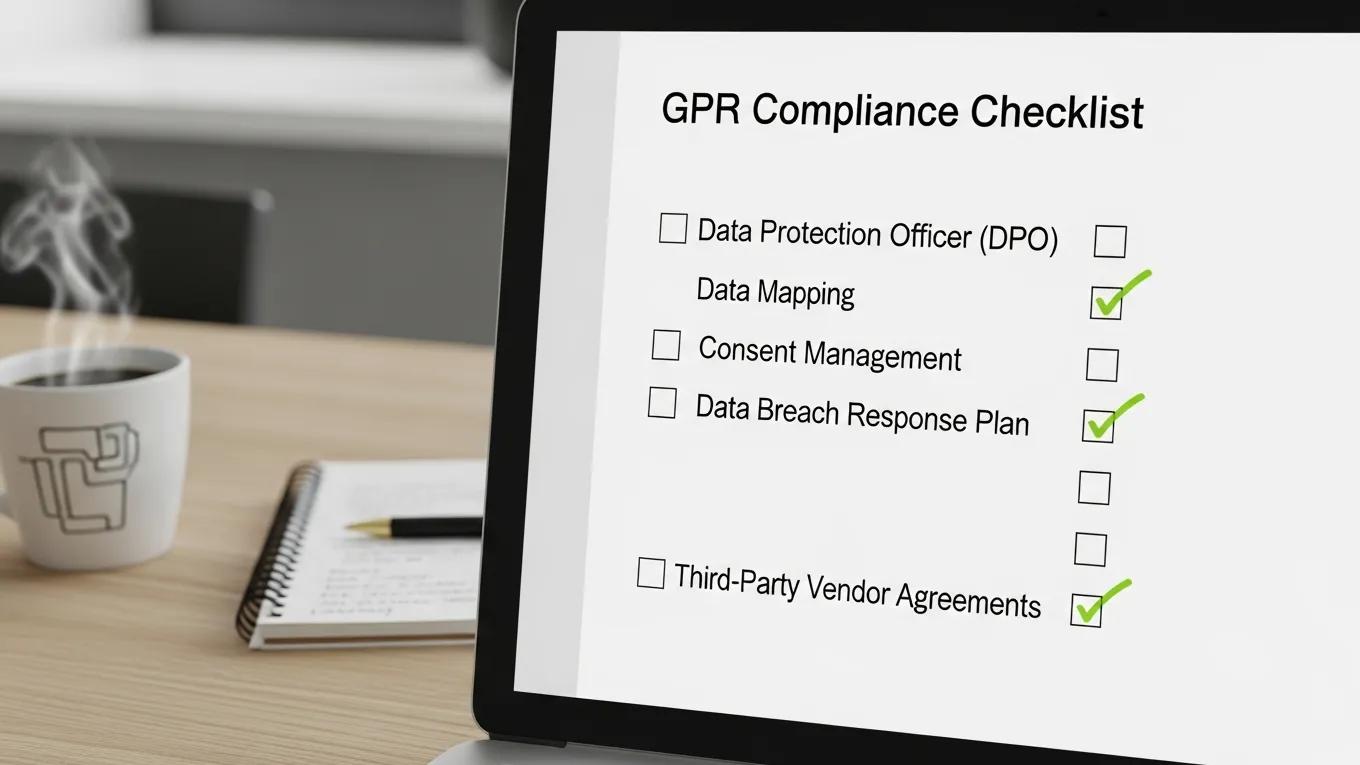
The GDPR sets strict rules for collecting, processing, and storing personal data. It requires explicit consent for data collection and grants individuals rights such as access and deletion. Breaches can trigger fines (up to 4% of global turnover or €20 million), so organisations must document accountability and data practices.
At 521 Web Design, we apply privacy-by-design when building sites to meet legal obligations and increase user confidence.
What Other Regulations Should SMBs Consider for Personal Data Security?
Beyond the GDPR, SMBs should review regional laws such as the CCPA, which enhances privacy rights for California residents and requires disclosure of collected data categories and an opt-out for data sales. Awareness of these rules helps SMBs adopt consistent security and disclosure practices and limit legal exposure.
How Can SMBs Develop Effective Privacy Policies That Ensure User Data Protection?
Effective privacy policies explain what data is collected, why it is used, how it is protected, and users’ rights. Clear policies support compliance and set expectations that preserve trust and reduce liability.
What Are the Best Practices for Creating Transparent Privacy Policies?
Best practices include:
- Clarity and Simplicity: Use plain language to explain data practices.
- Regular Updates: Update policies when practices or laws change.
- User-Friendly Language: Make the policy accessible and easy to read.
These steps help users understand their rights and how personal data is processed.
How Does 521 Web Design Integrate Privacy Compliance into Web Design Services?
521 Web Design consults on privacy policy development and implements technical privacy features during site builds so compliance is embedded in design and user experience. This makes it easier to demonstrate responsible data practices to customers and regulators.
What Are Practical Data Handling Practices to Secure Personal Data on SMB Websites?
Practical measures protect personal information and reduce breach risk. Clear processes and technical controls support both compliance and operational resilience.
Which Data Handling Mechanisms Enhance User Consent and Data Retention Transparency?
Effective mechanisms include:
- Clear Consent Forms: Make consent specific and understandable.
- Data Retention Policies: Define retention periods and deletion criteria.
- User Control Over Data: Offer options to manage preferences and opt out.
These controls increase transparency and give users meaningful control over their data.
How Can SMBs Prevent and Respond to Data Breaches Effectively?

Preventing and responding to breaches requires a structured programme with regular system reviews, clear incident steps, and staff training to reduce human error.
- Regular Security Audits: Identify and fix vulnerabilities.
- Incident Response Plans: Prepare procedures for notifying users and regulators.
- Staff Training: Teach security best practices to minimise mistakes.
These measures lower breach likelihood and speed response, which limits harm to users and the business.
How Can SMBs Manage Cookie Consent and User Tracking to Comply with Privacy Laws?
Managing cookie consent and tracking is important for legal compliance and transparent user relations. SMBs should disclose tracking practices and obtain consent when required.
What Are the Requirements for Cookie Consent Management?
Requirements include:
- Types of Consent Required: Obtain explicit consent before setting non-essential cookies.
- User Notification Methods: Clearly explain cookie types and purposes.
- Record-Keeping for Consent: Keep records to demonstrate compliance.
Meeting these requirements informs users about tracking and provides evidence of compliance.
How Does Transparent User Tracking Build Trust and Compliance?
Transparent tracking shows users what data is collected and why. Clear disclosures and consent workflows strengthen customer relationships and reduce legal risk, supporting both compliance and retention.
In conclusion, SMBs that understand regulations, craft clear privacy policies, and apply practical data-handling controls will better protect user data and preserve trust. 521 Web Design supports SMBs with privacy-focused design and guidance to meet compliance obligations while improving user confidence and online performance.
Frequently Asked Questions
What steps should SMBs take to ensure ongoing compliance with privacy regulations?
Review and update privacy policies regularly and when practices change. Provide periodic staff training and conduct routine audits. Consult legal experts when new rules require interpretation.
How can SMBs effectively communicate their privacy policies to users?
Link the policy in prominent places (footer, registration, checkout). Use plain language and concise banners or notices to highlight key points without overwhelming visitors.
What role does user feedback play in improving data handling practices?
User feedback highlights concerns and helps prioritise improvements. Collect input via surveys or support channels and use it to simplify consent flows and clarify disclosures.
How can SMBs balance data collection needs with user privacy?
Collect only necessary data, provide clear consent options, and allow opting out of non-essential tracking. This limits risk while preserving useful insights.
What are the consequences of non-compliance with privacy regulations for SMBs?
Non-compliance can lead to fines, legal action, and reputational damage. Under the GDPR, penalties can be substantial. Loss of trust can also harm revenue and loyalty.
How can technology assist SMBs in managing data privacy?
Technology can automate and strengthen privacy controls. Encryption, secure storage, privacy platforms, and automated consent systems protect data, record consent, and reduce manual errors.
Conclusion
Addressing privacy policy and data handling is essential for SMBs. By understanding regulations, implementing clear policies, and applying practical security measures, businesses preserve trust and reduce risk. 521 Web Design offers tailored web design services that prioritise privacy and data security to help SMBs meet these goals. Take the next step to safeguard your business by reviewing our services.